
Mythological Contexts
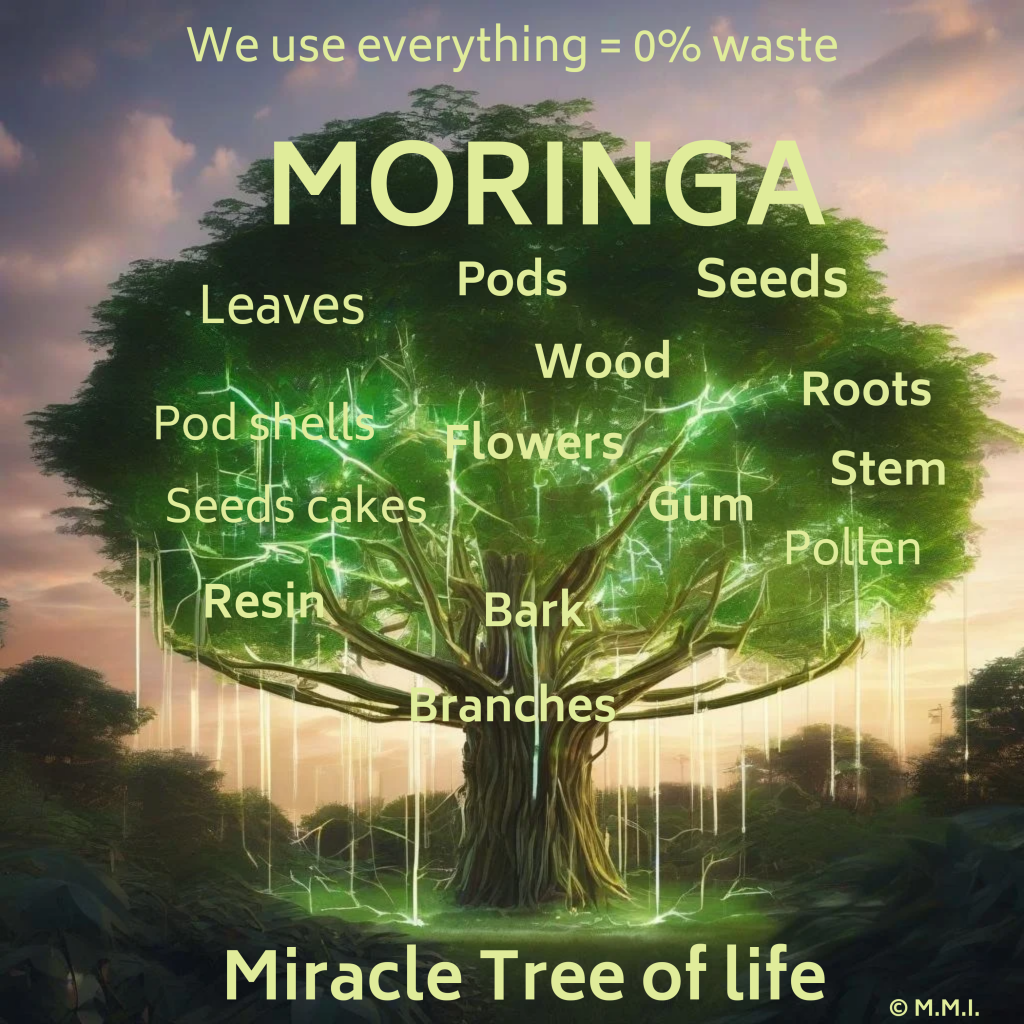
Miracle Tree - Drumstick Tree - Tree of Life
Moringa holds a Mythical status in some traditions, often linked to legends of healing and immortality due to its potent properties.
Historical records trace moringa’s use back over 4,000 years, with evidence from ancient civilizations emphasizing its role in trade, medicine, and sustenance. Every part of the Moringa tree, from its leaves to its seeds, offers a treasure trove of benefits for us, fauna, flora & our planet.
Moringa is earning a place in traditional systems of medicine, folklore, and daily life. Below, we outline its mythological, cultural, and historical contexts, interwoven with its associated benefits, based on documented sources.
300+
SUPER POWER BENEFITS
LEAF
Moringa Leaf (10g, dried powder)
Nutritional Composition:
– Protein: 2.5–2.9g (25–29% of dry weight) — Contains all essential amino acids, including lysine, leucine, isoleucine, valine, phenylalanine, threonine, methionine, and tryptophan, though some may be limiting.
– Dietary Fiber: 0.6–1.2g — Supports digestive health.
– Carbohydrates: ~2.8g — Provides energy.
– Fats: 0.4–0.9g — Mostly healthy unsaturated fats.
Vitamins:
– Vitamin C: 15–28mg — Strong antioxidant, supports immune function (150–280mg/100g).
– Vitamin A (as beta-carotene): 110–160µg — Supports vision and immune health.
– Vitamin B1 (Thiamine): 32.6µg — Supports energy metabolism.
– Vitamin B2 (Riboflavin), B3 (Niacin), B6, Folate, Vitamin K: Present in significant amounts.
Minerals:
– Calcium: 132–265mg — Supports bone health (1.3–2.6g/100g).
– Iron: 2.8–3.5mg — Important for blood health.
– Potassium: 132–203mg — Supports heart and muscle function.
– Magnesium, Phosphorus, Zinc, Copper: Present in notable amounts.
Phytochemical Composition:
– Flavonoids: Quercetin, kaempferol — Powerful antioxidants.
– Phenolic Compounds: Chlorogenic acid, gallic acid — Antioxidant and anti-inflammatory.
– Carotenoids: Beta-carotene — Provitamin A, supports vision and immune function.
– Glucosinolates and Isothiocyanates: Benzyl isothiocyanate — Antimicrobial and potential anticancer properties.
– Tannins, Saponins, Alkaloids: Present, contributing to medicinal properties.
Functional and Medicinal Properties:
– Antioxidant: High levels of antioxidants help combat oxidative stress and inflammation.
– Anti-inflammatory: Used traditionally to reduce inflammation and support immune health.
– Antimicrobial: Effective against a range of bacteria and fungi.
– Nutritional Supplement: Used to treat malnutrition, especially in children and lactating mothers.
| Component | Details |
| Protein | 2.5–2.9g (25–29% of dry weight) |
| Dietary Fiber | 0.6–1.2g |
| Carbohydrates | ~2.8g |
| Fats | 0.4–0.9g |
| Vitamin C | 15–28mg |
| Vitamin A (beta-carotene)| 110–160µg |
| Vitamin B1 (Thiamine) | 32.6µg |
| Calcium | 132–265mg |
| Iron | 2.8–3.5mg |
| Potassium | 132–203mg |
| Flavonoids | Quercetin, kaempferol (antioxidants) |
| Phenolic Compounds | Chlorogenic acid, gallic acid (antioxidant, anti-inflammatory) |
| Carotenoids | Beta-carotene (provitamin A) |
| Glucosinolates | Benzyl isothiocyanate (antimicrobial, potential anticancer) |
| Functional Uses | Antioxidant, anti-inflammatory, antimicrobial, nutritional supplement|
Key Takeaways:
– Moringa leaves are the most nutrient-dense part of the plant, rich in protein, vitamins, minerals, and bioactive phytochemicals.
– Their high antioxidant and anti-inflammatory properties make them valuable for both nutritional and medicinal applications.
FLOWER
Moringa Flower (10g, dried)
Nutritional Composition:
– Protein: 1.2g — Contains essential amino acids, though in lower amounts compared to leaves or seeds.
– Dietary Fiber: 0.3g — Supports digestive health.
– Carbohydrates: Present in moderate amounts, providing energy.
Vitamins:
– Vitamin C: 4.5mg — Acts as an antioxidant and supports immune function.
– Vitamin A (as beta-carotene): 16µg — Supports vision and immune health.
Minerals:
– Calcium: 4.8mg — Important for bone health.
– Iron: 1.1mg — Essential for blood health and oxygen transport.
– Phosphorus: 3.2mg — Supports bone and energy metabolism.
Phytochemical Composition:
– Flavonoids: Quercetin, kaempferol — Powerful antioxidants that help combat oxidative stress and inflammation.
– Phenolic Compounds: Vanillin, caffeoylquinic acids — Contribute to the flower’s antioxidant, anti-inflammatory, and antimicrobial properties.
– Saponins, Tannins, Terpenoids: Present, supporting the flower’s medicinal properties.
– Glucosinolates and Isothiocyanates: Unique compounds with potential anticancer and antimicrobial effects.
Functional and Medicinal Properties:
– Traditional Uses: Moringa flowers are used in folk medicine for their anti-inflammatory, antidiabetic, and antimicrobial properties. They are also consumed as a nutritive vegetable in many cultures.
– Pharmacological Effects: The flowers exhibit antioxidant, anti-inflammatory, antimicrobial, and potential anticancer activities. They are studied for their role in managing chronic diseases and supporting overall health.
– Culinary Uses: Flowers are edible and used in teas, salads, and as a flavorful ingredient in various dishes.
| Component | Details |
| Protein | 1.2g |
| Dietary Fiber | 0.3g |
| Vitamin C | 4.5mg |
| Vitamin A (beta-carotene)| 16µg |
| Calcium | 4.8mg |
| Iron | 1.1mg |
| Phosphorus | 3.2mg |
| Flavonoids | Quercetin, kaempferol (antioxidants) |
| Phenolic Compounds | Vanillin, caffeoylquinic acids (antioxidant, anti-inflammatory) |
| Saponins, Tannins | Present |
| Glucosinolates | Potential anticancer, antimicrobial |
| Functional Uses | Anti-inflammatory, antidiabetic, antimicrobial, culinary ingredient |
Key Takeaways:
– Moringa flowers are a good source of antioxidants, essential minerals, and bioactive phytochemicals, making them valuable for both nutritional and medicinal applications.
– Their unique composition supports a wide range of uses, from traditional medicine to culinary dishes.
SEED
Moringa Seed (10g, dried)
Nutritional Composition:
– Protein: 1.9–3.7g (19–37% of dry weight) — Contains all essential amino acids, though some (like lysine and tryptophan) may be limiting.
– Fats: 1.3–3.1g (13–46% of dry weight) — Rich in healthy oils, including oleic acid (omega-9).
– Dietary Fiber: Present in notable amounts, supporting digestive health.
– Carbohydrates: Lower than leaves, but still a source of energy.
Minerals:
– Potassium: Significant amounts, supporting heart and muscle function.
– Phosphorus, Magnesium, Calcium, Zinc: Present in meaningful quantities, contributing to bone health and metabolic processes.
Vitamins:
– Vitamin C: Present, but in lower amounts than in leaves.
– B Vitamins (B1, B2, B3): Trace amounts, supporting energy metabolism.
Phytochemical Composition:
– Isothiocyanates (e.g., benzyl isothiocyanate): Known for antimicrobial, anti-inflammatory, and potential anticancer properties.
– Flavonoids (e.g., quercetin, kaempferol): Powerful antioxidants that help combat oxidative stress.
– Phenolic Compounds: Contribute to the seed’s antioxidant and anti-inflammatory effects.
– Saponins, Tannins, Steroids: Present, supporting the seed’s medicinal properties.
Functional and Medicinal Properties:
– Traditional Uses: Moringa seeds are used for water purification (as a natural coagulant), and in folk medicine for their antimicrobial, anti-inflammatory, and antidiabetic effects.
– Pharmacological Effects: The seeds exhibit antioxidant, anti-inflammatory, antimicrobial, and potential anticancer activities. They are also studied for their role in managing chronic diseases and supporting liver and heart health.
– Industrial Uses: Seed oil is used in cosmetics, as a lubricant, and in biofuel production.
| Component | Details
| Protein | 1.9–3.7g (19–37% of dry weight) |
| Fats | 1.3–3.1g (13–46% of dry weight, rich in oleic acid) |
| Dietary Fiber | Present |
| Minerals | Potassium, phosphorus, magnesium, calcium, zinc |
| Vitamins | Vitamin C, B1, B2, B3 (lower than leaves) |
| Isothiocyanates | Benzyl isothiocyanate (antimicrobial, anti-inflammatory) |
| Flavonoids | Quercetin, kaempferol (antioxidants) |
| Phenolic Compounds | Antioxidant, anti-inflammatory |
| Functional Uses | Water purification, antimicrobial, anti-inflammatory, antidiabetic, industrial oil |
Key Takeaways:
– Moringa seeds are a rich source of protein, healthy fats, and bioactive phytochemicals, making them valuable for both nutritional and medicinal applications.
– Their unique composition supports a wide range of uses, from water purification to health supplements and industrial applications
SEED OIL
Moringa Seed Oil: Composition, Properties, and Potential Uses
1. Composition
Moringa seed oil, also known as Ben oil or Behen oil, is extracted from the seeds of the Moringa oleifera tree through cold-pressing or solvent extraction. It typically contains:
- Fatty acids: High in oleic acid (65-75%, monounsaturated), behenic acid (5-10%, saturated), palmitic acid, stearic acid, and smaller amounts of linoleic acid.
- Antioxidants: Tocopherols (vitamin E), sterols, and phenolic compounds like quercetin and kaempferol.
- Vitamins and minerals: Traces of vitamin A, C, and minerals such as calcium and potassium.
- Other compounds: Saponins, flavonoids, and glucosinolates, contributing to its stability and bioactivity.
The oil is light, non-greasy, and has a long shelf life due to its resistance to oxidation.
2. Expected Properties
- Moisturizing and emollient: Penetrates the skin easily, locking in hydration without clogging pores.
- Antioxidant: Protects against free radicals, reducing oxidative stress and promoting skin health.
- Anti-inflammatory: Soothes inflammation, useful for skin conditions like acne or eczema.
- Antimicrobial: Exhibits activity against bacteria and fungi, aiding in wound healing and infection prevention.
- Nutritive: Supports cell regeneration and collagen production.
- Stable and non-comedogenic: Resistant to rancidity, making it ideal for long-term use in formulations.
- Hair strengthening: Nourishes follicles and improves scalp health.
3. Potential Uses
A. In Health and Wellness
- Skin care: Applied directly or in balms for dry skin, scars, or as a carrier oil for essential oils.
- Massage oil: Used for its smooth texture and anti-inflammatory benefits in aromatherapy massages.
- Wound healing: Applied topically to minor cuts or burns for its antimicrobial properties.
B. In Natural Cosmetics
- Moisturizer or serum: In face creams, lotions, or body butters for hydration and anti-aging effects.
- Hair products: Added to conditioners, oils, or masks to reduce frizz, strengthen hair, and treat dandruff.
- Lip balms and makeup: As a base for its emollient qualities and natural SPF-like protection.
C. In Culinary and Other Applications
- Cooking oil: Used in salads or low-heat cooking for its nutty flavor and high smoke point (though less common due to cost).
- Industrial uses: In lubricants, biofuels, or as a base for perfumes due to its stability.
4. Precautions and Contraindications
- Patch test recommended: For skin application to check for allergies, though rare.
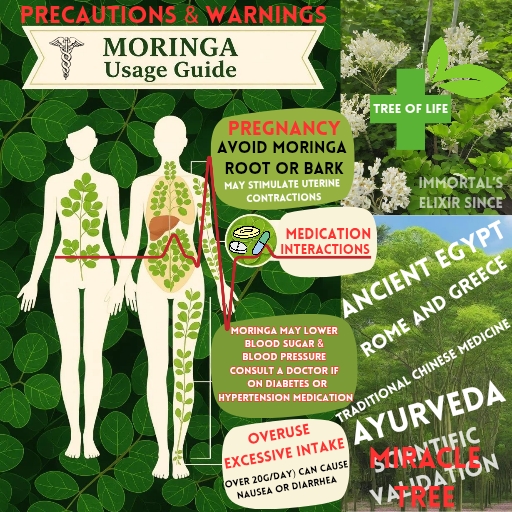
- Not for internal use without guidance: While edible, consult a professional for ingestion, especially if pregnant or on medications.
- Avoid if allergic to moringa: Possible reactions include skin irritation.
- Storage: Keep in a cool, dark place to maintain quality.
5. Extraction Method (Example)
Cold-pressed moringa seed oil:
- Process: Seeds are cleaned, dried, and pressed mechanically without heat to preserve nutrients.
- Yield: Approximately 30-40% oil from seeds.
- Quality tip: Opt for organic, unrefined versions for maximum benefits.
Summary Table
| Type | Main Properties | Potential Uses | Precautions
| Skin care | Moisturizing, antioxidant, anti-inflammatory | Moisturizers, serums, balms | Patch test, avoid allergies |
| Hair care | Strengthening, nourishing, anti-dandruff | Conditioners, masks, oils | Not for sensitive scalps without testing |
| Wellness/Other| Antimicrobial, stable | Massage, cooking, industrial | Consult for internal use |
In summary: Moringa seed oil is a versatile, nutrient-rich oil valued for its cosmetic and health benefits, drawing from the plant's natural properties. It excels in skincare and haircare due to its lightweight, stable nature. For best results, choose high-quality, cold-pressed oil and follow precautions
GREEN POD
Moringa Green Pod (10g, fresh/immature)
Nutritional Composition:
- Protein: 0.2–0.3g — Contains essential amino acids, though in lower amounts compared to leaves or seeds
- Dietary Fiber: 0.4–0.6g — Supports digestive health and helps regulate blood sugar
- Carbohydrates: 0.7–0.9g — Provides energy, mostly as simple sugars and dietary fiber
- Fats:** 0.05–0.1g — Mostly unsaturated fats.
Vitamins:
- Vitamin C: 2–4mg — Antioxidant, supports immune function.
- Vitamin A (as beta-carotene): 10–20µg — Supports vision and immune health.
- B Vitamins (B1, B2, B3, Folate): Present in trace amounts, supporting metabolism.
Minerals:
- Calcium: 4–6mg — Supports bone health
- Iron: 0.1–0.2mg — Important for blood health
- Potassium: 10–15mg — Supports heart and muscle function
- Magnesium, Phosphorus, Zinc: Present in smaller amounts
Phytochemical Composition:
- Polysaccharides and Glucans: Significant amounts (2.8–3.2g per 10g dried pod/peel), supporting immune modulation and digestive health.
- Glucosinolates and Isothiocyanates: Unique compounds with antimicrobial, anti-inflammatory, and potential anticancer properties.
- Flavonoids: Quercetin, kaempferol — Antioxidants that help combat oxidative stress.
- Phenolic Compounds: Chlorogenic acid, gallic acid — Contribute to antioxidant and anti-inflammatory effects.
- Tannins, Saponins, Terpenoids: Present, supporting the pod’s medicinal properties.
Functional and Medicinal Properties:
- Antioxidant: Helps reduce oxidative stress and inflammation
- Antimicrobial: Effective against certain bacteria and fungi
- Anti-inflammatory: Used traditionally to reduce inflammation
- Culinary Uses: Green pods are widely used in cooking, especially in South Asian cuisine, for their unique flavor and nutritional benefits
- Water Purification: Pod extracts are used as natural coagulants for water treatment
Summary Table (per 10g fresh green pod):
| Component | Details |
| Protein | 0.2–0.3g |
| Dietary Fiber | 0.4–0.6g |
| Carbohydrates | 0.7–0.9g |
| Fats | 0.05–0.1g |
| Vitamin C | 2–4mg |
| Vitamin A (beta-carotene)| 10–20µg |
| B Vitamins | Trace amounts |
| Calcium | 4–6mg |
| Iron | 0.1–0.2mg |
| Potassium | 10–15mg |
| Polysaccharides | 2.8–3.2g (dried pod/peel) |
| Glucosinolates | Antimicrobial, anti-inflammatory, potential anticancer |
| Flavonoids | Quercetin, kaempferol (antioxidants) |
| Phenolic Compounds | Chlorogenic acid, gallic acid (antioxidant, anti-inflammatory) |
| Functional Uses | Antioxidant, antimicrobial, anti-inflammatory, culinary, water purification |
Key Takeaways:
- Moringa green pods are a good source of dietary fiber, vitamins, minerals, and bioactive phytochemicals, making them valuable for both nutritional and medicinal applications.
- Their unique composition supports a wide range of uses, from culinary dishes to traditional medicine and water purification.
GUM
Moringa Gum (10g)
Composition:
– Polysaccharides: Moringa gum is primarily composed of complex polysaccharides, including:
– L-arabinose
– D-galactose
– D-glucuronic acid
– L-rhamnose
– D-mannose
– D-xylose
These sugars are present in specific molar ratios, with L-arabinose and D-galactose being the most abundant.
– Phytochemicals:
– Leucoanthocyanins and other phenolic compounds, which contribute to its antioxidant and anti-inflammatory properties.
– The gum also contains bioactive compounds that have been studied for their potential in drug delivery and as natural adsorbents for environmental applications.
Minerals:
– Trace amounts of calcium, magnesium, and potassium are present, but in much lower quantities compared to Moringa leaves or seeds.
Functional Properties:
– Moringa gum is used traditionally for its medicinal properties, including as an anti-inflammatory, analgesic, and antimicrobial agent.
– It is also valued for its ability to form gels and as a natural thickener in food and pharmaceutical industries.
| Component | Details |
| Polysaccharides | L-arabinose, D-galactose, D-glucuronic acid, L-rhamnose, D-mannose, D-xylose |
| Phytochemicals | Leucoanthocyanins, phenolic compounds, antioxidants |
| Minerals | Trace calcium, magnesium, potassium |
| Functional Uses | Anti-inflammatory, analgesic, antimicrobial, natural thickener |
Key Takeaways:
– Moringa gum is rich in bioactive polysaccharides and phytochemicals, making it valuable for both medicinal and industrial applications.
– While it contains only trace minerals, its unique composition supports its use in traditional medicine and as a functional food additive.
BARK
Moringa Bark (10g, dried)
Phytochemical Composition:
– Alkaloids: Moringine, moringinine — These are unique to Moringa and contribute to its medicinal properties.
– Phenolic Compounds: Vanillin, 4-hydroxymellin — Known for antioxidant and anti-inflammatory effects.
– Steroids: β-sitosterol — Supports heart health and has anti-inflammatory properties.
– Fatty Acids: Octacosanoic acid — A long-chain fatty acid with potential health benefits.
– Tannins, Saponins, Terpenoids: Present in significant amounts, contributing to the bark’s antimicrobial, anti-inflammatory, and antioxidant activities.
Nutritional and Mineral Content:
– Minerals: Trace amounts of iron (Fe), calcium (Ca), and ascorbic acid (vitamin C) are present, but in much lower quantities compared to Moringa leaves or seeds.
-Vitamins: Low, but appreciable levels of thiamin (B1), riboflavin (B2), and niacin (B3).
Functional and Medicinal Properties:
– Traditional Uses: Moringa bark is used in folk medicine for its analgesic, anti-inflammatory, and antimicrobial properties. It is also employed to treat stomach pain, ulcers, and joint pain.
– Pharmacological Effects: The bark exhibits antipyretic (fever-reducing), anti-anaphylactic (allergy-relieving), and anti-asthmatic effects. It is also studied for its potential in managing chronic diseases due to its antioxidant and anti-inflammatory activities.
| Component | Details |
| Alkaloids | Moringine, moringinine |
| Phenolic Compounds | Vanillin, 4-hydroxymellin |
| Steroids | β-sitosterol |
| Fatty Acids | Octacosanoic acid |
| Tannins, Saponins | Present |
| Minerals | Trace iron (Fe), calcium (Ca) |
| Vitamins | Low levels of thiamin (B1), riboflavin (B2), niacin (B3), vitamin C |
| Functional Uses | Analgesic, anti-inflammatory, antimicrobial, antipyretic, anti-asthmatic |
Key Takeaways:
– Moringa bark is rich in bioactive phytochemicals, making it valuable for traditional and modern medicinal applications.
– While it contains only trace minerals and vitamins, its unique alkaloids and phenolic compounds contribute to its therapeutic potential.
ROOT
Moringa Root (10g, dried)
Phytochemical Composition:
– Tannins: Catechol, gallic acid — Known for their astringent, antioxidant, and antimicrobial properties.
– Anthraquinones: Contribute to the root’s laxative and antimicrobial effects.
– Alkaloids: Present in smaller amounts, supporting the root’s use in traditional medicine for pain relief and anti-inflammatory purposes.
– Saponins, Steroids, Triterpenoids: Linked to the root’s anti-inflammatory, antioxidant, and potential anticancer activities.
– Reducing Sugars: Provide energy and support metabolic processes.
– Flavonoids: Kaempferol, quercetin — Powerful antioxidants that help combat oxidative stress and inflammation.
Nutritional and Mineral Content:
– Minerals: Trace amounts of calcium (Ca), iron (Fe), phosphorus (P), manganese (Mn), magnesium (Mg), zinc (Zn), potassium (K), and sodium (Na).
– Vitamins: Low levels of provitamin A (beta-carotene), thiamine (B1), riboflavin (B2), niacin (B3), and vitamin C.
Functional and Medicinal Properties:
– Traditional Uses: Moringa root is used in folk medicine for its analgesic, anti-inflammatory, antidiabetic, and antimicrobial properties. It is also employed to treat rheumatism, joint pain, and as a general tonic.
– Pharmacological Effects: Exhibits antioxidant, anti-inflammatory, antimicrobial, and potential anticancer effects. Studied for its role in managing chronic diseases and supporting liver health.
– Caution: Some compounds in the root may be toxic in high doses, so it should be used with care and preferably under guidance.
| Component | Details |
| Tannins | Catechol, gallic acid |
| Anthraquinones | Laxative, antimicrobial |
| Alkaloids | Present |
| Saponins, Steroids | Anti-inflammatory, antioxidant |
| Triterpenoids | Potential anticancer |
| Flavonoids | Kaempferol, quercetin (antioxidants) |
| Minerals | Trace Ca, Fe, P, Mn, Mg, Zn, K, Na |
| Vitamins | Low provitamin A, B1, B2, B3, vitamin C |
| Functional Uses | Analgesic, anti-inflammatory, antidiabetic, antimicrobial, anticance
Key Takeaways:
– Moringa root is rich in bioactive phytochemicals, making it valuable for traditional and modern medicinal applications.
– While it contains only trace minerals and vitamins, its unique compounds contribute to its therapeutic potential, though caution is advised due to possible toxicity at high doses.
HYDROSOL
Moringa Hydrosol: Uses and Potential Benefits
1. Composition and General Properties of Hydrosols
Hydrosols (floral waters) are obtained by steam distillation of plants. They contain:
– Water-soluble aromatic molecules (terpenes, esters, aldehydes, etc.) in low concentration.
– Active principles of the plant (antioxidants, vitamins, minerals) in smaller quantities than in essential oils or concentrated extracts.
– A pH close to that of the skin, making them gentle and suitable for skin and hair care.
2. Expected Properties of Moringa Hydrosol
Although specific to moringa, we can extrapolate from the known properties of the plant and its oil:
– Antioxidant: Thanks to the presence of vitamin E, flavonoids (quercetin, kaempferol), and polyphenols, the hydrosol could help fight oxidative stress and skin aging.
– Anti-inflammatory and soothing: Useful for sensitive, irritated skin or skin prone to eczema, acne, or redness.
– Moisturizing and balancing: Like moringa oil, the hydrosol could contribute to skin and scalp hydration without clogging pores.
– Antimicrobial: Potentially effective against certain bacteria and fungi, useful for blemished skin or oily scalps.
3. Uses in Cosmetics and Aromatherapy
– Skin care
– Facial tonic: Spray on the face to purify, hydrate, and balance the skin’s pH.
– Skin soother: In compress or spray to calm irritations, mild sunburns, or itching.
– Anti-aging care: In synergy with other actives to prevent signs of aging.
– Hair care
– Scalp bath: To soothe the scalp, reduce dandruff, and strengthen the hair fiber.
– Moisturizing mist: To refresh and nourish dry or frizzy hair.
– Aromatherapy and Well-being:
– Relaxing bath: Added to bath water for its soothing properties.
– Olfactory ambiance: In light diffusion to enjoy its sweet and vegetal notes.
4. Precautions for Use
– Always test on a small area of skin before extended use.
– Store in the refrigerator and use within 6 months after opening to preserve its properties.
– Avoid contact with eyes and mucous membranes.
| Use | Benefits |
| Facial tonic | Purifies, hydrates, balances the skin’s pH|
| Skin soother | Calms irritations, redness, mild sunburns |
| Anti-aging care | Antioxidant, prevents signs of aging |
| Scalp bath | Soothes the scalp, reduces dandruff |
| Hair moisturizing mist | Refreshes, nourishes dry or frizzy hair |
| Relaxing bath | Soothing properties for body and mind |
| Olfactory ambiance | Sweet and vegetal notes for a relaxing atmosphere |
In summary: Although specific data on moringa hydrosol are limited, its potential uses in cosmetics and aromatherapy rely on the recognized properties of the plant (antioxidants, anti-inflammatory, moisturizing). It is particularly suitable for sensitive skin, hair care, and relaxation.
ALCOHOL
Moringa Alcohol: Composition, Properties, and Potential Uses
1. Probable Composition
An alcoholic extract of moringa (mother tincture) would be obtained by macerating leaves, seeds, bark, or roots in alcohol (ethanol at 40–70°). It would then contain:
- Phenolic compounds: Chlorogenic acid, quercetin, kaempferol (antioxidants, anti-inflammatory).
- Flavonoids: Powerful antioxidants, cellular protectors.
- Glucosinolates and isothiocyanates: Sulfur compounds with antibacterial and potentially anticancer properties.
- Vitamins: Vitamin C, A, E, B (in traces, depending on the part of the plant used).
- Minerals: Calcium, potassium, magnesium, iron (in traces).
- Alkaloids and saponins: Present in small quantities, contributing to anti-inflammatory and immunomodulatory effects.
2. Expected Properties
- Antioxidant: Neutralization of free radicals, cellular protection.
- Anti-inflammatory: Reduction of joint, skin, or digestive inflammations.
- Antimicrobial: Activity against certain bacteria and fungi.
- Immunomodulatory: Support for the immune system.
- Digestive: Stimulation of digestion, regulation of transit (thanks to fibers and bitter compounds).
- Hepatoprotective: Protection of the liver against toxins (including alcohol).
- Antidiabetic: Regulation of blood sugar (preliminary studies).
3. Potential Uses
A. In Health and Wellness
- Mother tincture:
- Oral route: 20 to 30 drops in a little water, 1 to 3 times per day, for its tonic, antioxidant, or digestive effects.
- External use: Diluted in a vegetable oil for massages (joint pain, skin inflammations).
- Extract for formulations:
- Integration into syrups, elixirs, or dietary supplements for its nutritional and immune benefits.
B. In Natural Cosmetics
- Lotion or tonic:
- Diluted in water or a hydrosol, for its purifying, antioxidant, and anti-aging properties (mature skin, acne-prone).
- Hair care:
- Added to shampoos or masks to stimulate growth, reduce dandruff, and nourish the scalp.
C. In Aromatherapy and Phytotherapy
- Synergies:
- Combined with other extracts (turmeric, ginger) to enhance its anti-inflammatory or antioxidant effects.
4. Precautions and Contraindications
- Mandatory dilution for skin use (risk of irritation due to alcohol).
- Not recommended for pregnant or breastfeeding women and children (without medical advice).
- Possible interactions with medications (antidiabetics, anticoagulants) — consult a healthcare professional.
- Rare allergies: Test before use.
5. Home Preparation (Example)
Mother tincture of moringa recipe:
- Ingredients: 100g of dried moringa leaves, 500ml of 60° alcohol.
- Preparation: Macerate for 2 to 3 weeks away from light, filter.
- Storage: In an opaque bottle, away from heat.
| Type | Main Properties | Potential Uses | Precautions
| Mother tincture | Antioxidant, anti-inflammatory, digestive | Oral route, massage, skin care | Dilution, avoid pregnant women/children |
| Cosmetic extract | Purifying, anti-aging, hair | Lotion, tonic, shampoo | Preliminary skin test |
| Phytotherapy synergy| Enhances other extracts | Elixirs, dietary supplements | Possible drug interactions |
In summary: Although there are no specific scientific data on a commercialized "moringa alcohol," a homemade hydroalcoholic extract could harness the known benefits of the plant, with applications in natural health, cosmetics, and phytotherapy. For optimal use, prioritize organic leaves or seeds and follow usage precautions
Disease Treatment & Prevention
SUPERPOWER MORINGA – All in 1
The benefits for the treatment or prevention of disease or infection that may accrue from either dietary or topical administration of Moringa preparations (e.g. extracts, decoctions, poultices, creams, oils, emollients, salves, powders, porridges) are not quite so well known because of pressure and lobbying from big groups, pharmaceutical laboratories & other institutes. It’s a power testament to how traditional wisdom—passed down through generations—can align with today’s scientific discovery.
∆∆∆ Limitations and Side Effects ∆∆∆
While generally safe (GRAS by FDA), most evidence is preclinical; only ~25 clinical trials exist, often small-scale. High doses (>2000 mg/kg in animals) may cause mild toxicity (e.g., elevated ALT, genotoxicity at 3000 mg/kg), gastrointestinal issues, or interactions (e.g., hypoglycemia with diabetes meds, thyroid interference). Abortifacient effects noted in animals, so caution for pregnant women. No major human adverse events reported at therapeutic doses (<70 g/day), but consult professionals for use.
Worldwide Medical Evidences
Nutritional, Therapeutic and Prophylactic Properties listed below:
Medical Evidences of Moringa Oleifera
- Moringa oleifera has been the subject of numerous scientific studies, primarily preclinical (in vitro and animal models), with emerging clinical evidence in humans.
Reviews and research from the past decade, including meta-analyses and randomized trials, support many traditional claims, attributing benefits to its rich profile of bioactive compounds like flavonoids (e.g., quercetin, kaempferol, rutin), phenolic acids (e.g., chlorogenic, gallic, caffeic), glucosinolates (e.g., glucomoringin), isothiocyanates (e.g., benzyl isothiocyanate), vitamins (A, C, E), minerals (calcium, iron, potassium), and essential amino acids.
These compounds are concentrated in leaves, seeds, and pods, enabling mechanisms such as free radical scavenging, enzyme inhibition, inflammation modulation, and apoptosis induction.
Plant parts uses are designated by their first letters :
Leaves
Flowers
Seeds
Pods (fresh drumsticks)
Roots
Bark
Gum
Oil (from seeds)
∆∆∆∆∆ LIST OF ALL MORINA BENEFITS BELOW!
Nuritional
Nuritional LSBO
Antinutritional factors B
Antioxidant LO
Carotenoids L
Energy LSO
Goitrogen S
Iron deficiency LS
Oil quality O
Protein LS
Vitamin/Mineral deficiency LS
∆∆∆∆∆∆∆
Nutritional and General Health Benefits
– Rich in nutrients including vitamins, minerals, and protein.
– Provides high levels of vitamin A.
– Provides high levels of vitamin C.
– Provides high levels of vitamin E.
– High in calcium.
– High in potassium.
– High in iron.
– Treats malnutrition in infants and mothers.
– Prevents malnutrition.
– Fortifies food with nutrients.
– Improves body mass index in malnourished individuals.
– Provides vitamin A for better vision.
– Provides vitamin A for immune function.
– Provides vitamin A for skin health.
– Provides vitamin C for antioxidant protection.
– Provides vitamin C for immune boost.
– Provides vitamin C for collagen synthesis.
– Provides vitamin E for antioxidant protection.
– Provides vitamin E for skin health.
– Provides calcium for bone health.
– Provides calcium for muscle function.
– Provides potassium for blood pressure control.
– Provides potassium for heart health.
– Provides iron to prevent anemia.
– Provides iron for energy production.
– Provides magnesium for muscle function.
– Provides magnesium for nerve function.
– Provides protein for muscle building.
– Provides essential amino acids for body repair.
– Contains beta-carotene for eye health.
– Contains quercetin for anti-inflammatory effects.
– Contains chlorogenic acid for blood sugar control.
– Contains isothiocyanates for blood sugar regulation.
– Contains flavonoids for antioxidant benefits.
– Contains polyphenols for anti-inflammatory benefits.
– Contains glucosinolates for anticancer effects.
– Contains niazimicin for suppressing cancer development.
– Contains benzyl isothiocyanate for antitumor activity.
– Contains niaziridin for improved nutrient absorption.
– Supports lactation in nursing mothers.
– Improves nutrition in infants.
– Provides B vitamins for energy metabolism.
– Contains tryptophan for serotonin production.
– Provides vitamin D for energy.
– High in fiber for digestive health.
– Supports overall body function with 27 vitamins.
– Contains 46 antioxidants for disease prevention.
– Targets free radicals with phytonutrients.
– Contains soluble fiber for bowel regularity.
– Contains insoluble fiber for gut health.
– Counteracts oxidative stress for anti-aging.
– Phenolic compounds reduce inflammation.
– Incorporates into foods for protein boost.
– Increases fiber in diet.
– Boosts vitamins in fortified products.
– Boosts minerals in fortified products.
– Enhances overall nutritional value of foods.
– Combats malnutrition with macro and micro nutrients in just 36 days instead of 57 days normaly !
∆∆∆∆∆
Nutritional Benefits
Moringa is nutrient-dense, often called a “superfood” for addressing malnutrition. Dried leaves provide up to 29.4 g protein/100 g, 220mg vitamin C/100 g (fresh leaves), and high levels of iron (0.85 mg/100 g fresh), calcium (440 mg/100 g fresh), and beta-carotene, surpassing many vegetables. Animal studies show it combats nutrient deficiencies, while human trials in malnourished populations (e.g., infants and lactating mothers) demonstrate improved hemoglobin and weight gain. Mechanisms involve high bioavailability of essential amino acids and minerals, though phytic and oxalic acids may reduce iron/calcium absorption (73% calcium retention noted). Evidence is strong from compositional analyses and supplementation studies, but bioavailability varies by processing.
Antimicrobial / Biocidal
Antimicrobial / Biocidal LFSPRBGO
BACTERIAL LFS
Dental Caries/Toothache RBG
Infection LF
Syphilis G
Typhoid G
Urinary Tract Infection L
FUNGAL
Mycoses O
VIRAL
Common cold FRB
Epstein-Barr Virus (EBV) L
Herpes Simplex Virus (HSV-1) L
HIV-AIDS L
Warts S
PARASITES
Helminths LFP
Schistosomes S
Trypanosomes LR
∆∆∆∆∆∆∆
Antimicrobial Properties Benefits
– Antibacterial activity against pathogens like S. aureus and E. coli.
– Fights foodborne bacterial infections.
– Antifungal activity against fungi.
– Anti-helminthic against parasites.
– Treats ascites and worm infestations.
– Treats helminthiasis and paralysis.
– Antiparasitic activity.
– Treats bacterial, viral, and fungal infections.
– Anti-HIV properties.
– Antiviral against hepatitis B.
– Treats syphilis.
– Treats sexually transmitted diseases.
– Increases bioactivity of antibiotics.
– Against Gram-positive bacteria.
– Against Gram-negative bacteria.
– Antifungal against Aspergillus.
– Antifungal against Candida.
– Against Pheretima posthuma worms.
– Antibacterial against Staphylococcus aureus.
– Antibacterial against Escherichia coli.
– Antiviral activity.
– Inhibits early HIV-1 infectivity steps.
– Against Candida albicans fungus.
>>> Antimicrobial, Antibacterial, and Antiviral Effects
In vitro tests show activity against bacteria (e.g., E. coli, S. aureus, P. aeruginosa; MICs at 100-120 mg/mL) and viruses (e.g., HSV-1, HIV, HBV, SARS-CoV-2 via protease inhibition). Animal studies confirm wound healing and infection reduction. Mechanisms: Pterygospermin and isothiocyanates disrupt cell walls and viral replication (e.g., via TFEB inhibition). Evidence is strong in vitro/in vivo, with potential for water purification and dental applications.
Cancer Therapy / Protection
Cancer Therapy / Protection LFPBS
Anti-tumor LFSB
Prostate L
Radioprotective L
Skin P
∆∆∆∆∆∆∆
Anticancer Properties Benefits
– Exhibits anticancer properties against various cancers.
– Cytotoxic against cancer cells.
– Treats tumors.
– Inhibits tumor cell growth.
– Induces apoptosis in cancer cells.
– Kills breast cancer cells.
– Kills colorectal cancer cells.
– Kills lung cancer cells.
– Kills prostate cancer cells.
– Kills pancreatic cancer cells.
– Kills liver cancer cells.
– Kills myeloma cells.
– Kills skin cancer cells.
– Induces cell death in prostate cancer cells.
>>>Anticancer Effects
In vitro (e.g., MCF-7, HepG2, HCT-116 cells) and animal models show apoptosis induction and tumor growth inhibition (e.g., reduced proliferation in lung cancer mice). Compounds like niazimicin and benzyl isothiocyanate trigger ROS-mediated cell death. Human evidence is limited to observational data. Mechanisms: Caspase activation, mitochondrial disruption, and STAT5 inhibition. Promising preclinical evidence, needs clinical validation !
Circulatory / Endocrine
Circulatory/Endocrine Disorders LFSPR
Anti-anemic L
Anti-hypertensive LP
Cardiotonic R
Diabetes/hypoglycemia LP
Diuretic LFRG
Hypocholestemia L
Thyroid L
Tonic F
Hepatorenal LR
Detoxification
Detoxification BO
Purgative O
Snakebite B
Scorpion-bite B
Important Disclaimer
Snake or scorpion envenomation is a medical emergency that requires immediate professional treatment, such as antivenom administration from qualified healthcare providers. Traditional or plant-based remedies like those involving moringa are not scientifically proven to replace modern medical interventions and may not be effective or safe. The information below is based on available scientific studies and should not be taken as medical advice. Always consult a doctor or go to the nearest hospital right away in case of a bite or sting.
Overview of Scientific Evidence
Scientific research on Moringa oleifera (commonly known as moringa) as an anti-venom agent is primarily preclinical, consisting of in vitro experiments (e.g., using blood or plasma assays) and in vivo animal studies (mostly in rats and mice). These studies have demonstrated potential neutralizing effects against venoms from several snake species, particularly vipers and cobras, through mechanisms like inhibiting hemorrhage, hemolysis (red blood cell breakdown), coagulation disorders, oxidative stress, and inflammation. Key bioactive compounds, such as flavonoids (e.g., kaempferol), phenolics, and alkaloids, are thought to contribute to these effects. However, there are no human clinical trials, and evidence is limited to specific venoms and crude extracts rather than purified compounds. Overall, while promising, moringa cannot be recommended as a reliable anti-venom without further rigorous testing.
For scorpion stings, scientific evidence is scarce. Searches yielded no dedicated preclinical or clinical studies on moringa’s anti-venom properties against scorpion venom. Instead, mentions are largely from ethnobotanical surveys documenting traditional uses in regions like India, where moringa bark or roots are applied for scorpion stings, but these lack empirical validation.
Key Studies on Snake Venom
Here are summaries of notable studies, focusing on evidence against snake venoms:
– Against Naja haje (Egyptian cobra) venom: An in vivo rat study with in vitro assays showed that ethanol and ethyl acetate leaf fractions (300-600 mg/kg) attenuated venom-induced hematological changes, oxidative stress (via Nrf2 modulation), inflammation (reduced TNF-α and IL-1β), and organ damage. In vitro, fractions inhibited hemorrhagic (up to 76%), hemolytic (up to 72%), and anticoagulant activities. Limitations include no phytochemical isolation and animal-only models; conclusions suggest potential as an anti-venom source.
– Against Echis ocellatus (carpet viper) venom: In vivo rat experiments demonstrated that ethanol leaf extract (200-600 mg/kg) reduced mortality (from 40% to 0%), normalized blood parameters, enhanced Nrf2 expression to combat oxidative stress and inflammation, and prevented histopathological damage in brain, heart, and kidneys. In vitro assays confirmed dose-dependent inhibition of hemorrhagic (84%), hemolytic (71%), and coagulant effects. Limitations: Single venom tested, small sample size, no human data; it outperformed commercial antivenom in some aspects.
– Against Naja nigricollis (black-necked spitting cobra) venom: Leaf extract reduced venom-induced anemia, somatic mutations, and biological toxicities in rats, curing acute anemia and increasing micronucleated polychromatic erythrocytes. It neutralized neurotoxins affecting neurotransmission, hemolysis, and hemorrhage. Limitations: Preclinical only, with calls for more studies on mechanisms.
– Against Daboia russelii (Russell’s viper) and Echis carinatus (saw-scaled viper) venoms: In vivo mouse and in vitro assays found aqueous and methanolic leaf extracts neutralized lethal toxicity (2-fold LD50), hemolysis (reduced by up to 34%), phospholipase A2 activity (dose-dependent inhibition), and procoagulant effects (prolonged clotting time). Phytochemicals like flavonoids supported the activity. Limitations: Viper-specific, no clinical trials, needs compound isolation.
– Kaempferol from moringa: Isolated from leaf fractions, it showed potent neutralization of Bitis arietans (puff adder) venom toxicities, highlighting a specific compound’s role.
A comprehensive review notes moringa’s ethnomedicinal use for snake bites and references studies confirming anti-venom activity against N. nigricollis, but emphasizes the need for more pharmacological validation.
Gaps and Future Directions
Evidence is encouraging for certain snake venoms but lacks breadth (e.g., not tested against all snake species) and depth (no randomized controlled trials in humans). For scorpions, the absence of studies means reliance on unproven traditional claims. Researchers recommend bioactivity-guided fractionation to identify active ingredients and clinical testing to assess safety and efficacy. Until then, moringa should not be used as a substitute for proven medical treatments.
Digestive Disorders
igestive Disorders LSRBG
Colitis LB
Diarrhea LR
Digestif B
Dysentery LG
Flatulence R
Ulcer / Gastritis LS
∆∆∆∆∆
Digestive Health Benefits
– Improves gut health and nutrient absorption.
– Treats stomach disorders like upset and ulcers.
– Antidiarrheal properties.
– Anti-colitis to alleviate inflammation.
– Treats dysentery and colitis.
– Aids digestion and reduces constipation.
– Treats stomach ulcers.
– Treats ulcerative colitis.
– Treats diarrhea.
– Regulates fat absorption.
– Alleviates colonic inflammation.
– Treats heartburn.
– Treats Crohn’s disease.
– Promotes regular bowel movements.
– Supports beneficial gut bacteria.
– Protects against gastric lesions.
– Treats gastrointestinal motility disorders.
– Adds bulk to the diet for digestion.
– Maintains gut bacteria balance.
– Protects gastric mucosa
Inflammation
Inflammation LFSPRG
Rheumatism LFSPRG
Joint Pain P
Edema R
Arthritis S
∆∆∆∆∆∆
Antioxidant and Anti-Inflammatory Benefits
– Antioxidant properties to reduce oxidative stress.
– Anti-inflammatory effects.
– Boosts immune system with antioxidants.
– Protects cells from damage.
– Treats long-lasting inflammation.
– Decreases oxidative stress on the heart.
– Suppresses free radicals.
– Inhibits inflammatory mediators.
– Strengthens mitochondrial membranes.
– Reduces oxidative brain damage.
– Protects against brain inflammation.
– Increases anti-inflammatory processes with seed oil.
– Alleviates low-grade inflammation.
– Inhibits nitric oxide production for anti-inflammatory.
– Inhibits TNF-α production.
– Scavenges free radicals.
– Reduces sustained inflammation in chronic conditions.
– Increases blood antioxidant levels.
>>> Anti-Inflammatory Effects
In vitro studies (e.g., RAW 264.7 macrophages) show inhibition of NF-κB, reducing cytokines like TNF-α, IL-6, and COX-2. Animal models (e.g., arthritis in rats) demonstrate reduced paw edema and inflammatory markers. A few human trials suggest benefits for atopic dermatitis and arthritis. Mechanisms: Flavonoids and isothiocyanates block inflammatory pathways, stabilizing membranes and inhibiting protein denaturation. Evidence is robust in animals, emerging in humans.
Immunity
Immunity
Immunity SO
Immune-stimulant S
Lupus O
∆∆∆∆∆
Immune System Support Benefits
– Immunomodulatory to enhance immunity.
– Anti-allergic by suppressing histamine.
– Enhances host immunity
Nervous Disorders
Nervous Disorders LFRBGO
Anti-spasmodic SR
Epilepsy RB
Hysteria FRBO
Headache LRBG
∆∆∆∆∆
Nervous System and Mental Health Benefits
– Provides neuroprotection and relieves neuropathic pain.
– Has antidepressant and anti-anxiety effects.
– Anxiolytic for reducing anxiety.
– Sedative for treating insomnia.
– Anti-Alzheimer’s activity.
– Anti-Parkinson’s activity.
– Supports cognition and mood.
– Prevents nerve disorders like Alzheimer’s and Parkinson’s.
– Improves memory.
– Protects against neurotoxins.
– Enhances learning and motor function.
– Fights cognitive decline.
– Supports neurotransmitter balance.
– Reduces cortisol for stress relief.
– Alleviates stress-induced sexual dysfunction.
– Helps with depression symptoms.
– Fights dementia.
– Nootropic activity for brain function.
∆∆∆∆∆
Neuroprotective Effects
Animal models (e.g., Alzheimer’s, convulsions) show restored monoamines and anxiolytic effects. Mechanisms: Antioxidant modulation of dopamine/serotonin. Preclinical evidence only
Reproductive Health
Reproductive Health LFPRBGO
Abortifacient FRBG
Aphrodisiac RB
Birth Control B
Lactation Enhancer L
Prostate function O
∆∆∆∆∆
Reproductive and Hormonal Health Benefits
– Enhances fertility.
– Acts as anti-fertility agent in certain doses.
– Aphrodisiac properties.
– Can induce abortion in high doses (caution advised).
– Treats puerperal disorders.
– Protects against testicular toxicity.
– Enhances sex drive.
– Relieves menopause symptoms.
– Treats hyperthyroidism.
– Alleviates hot flashes in menopause.
– Alleviates night sweats in menopause.
– Alleviates mood changes in menopause.
– Boosts testosterone levels.
Skin Disorders
Skin Disorders
Skin Disorders LRSG
Antiseptic L
Astringent R
Pyodermia S
Rubefacient RG
Vesicant R
∆∆∆∆∆
Skin and Hair Health Benefits
– Improves skin hydration and health.
– Cosmetic benefits for skin and hair.
– Treats skin infections and burns.
– Has anti-aging properties for skin.
– Nourishes skin and hair.
– Combats premature wrinkles.
– Promotes youthful skin.
– Treats eczema.
– Reduces scarring.
– Reduces acne.
– Reduces pigmentation.
– Supports skin elasticity.
– Heals skin wounds quickly.
– Combats wrinkles with topical application.
∆∆∆∆∆
Immunomodulatory and Hematological Effects
Human studies (e.g., 14 days at 0.038-0.077 g/kg) show increased platelets and hemoglobin. Animal models enhance immunity via isothiocyanates. Mechanisms: Boost NO, IL-6, and TNF-α. Moderate evidence.
Cardiovacular
– Lowers blood pressure.
– Protects heart health from free radicals and inflammation.
– Reduces bad cholesterol and increases good cholesterol.
– Protects the cardiovascular system.
– Anti-atherosclerotic activity.
– Improves heart health by relaxing blood vessels.
– Reduces blood fats.
– Regulates lipid profiles.
– Acts as cardiac stimulant.
– Stabilizes blood pressure.
– Prevents hyperlipidemia.
– Acts as a vasodilator.
– Protects against tissue death.
– Protects against heart damage from anti-cancer drugs.
– Reduces triglycerides.
– Decreases serum cholesterol.
– Improves blood flow.
– Stabilizes blood pressure management
∆∆∆∆∆
Cardiovascular and Anti-Hypertensive Effects
Animal studies (e.g., hypertensive rats) show reduced cholesterol, triglycerides, and blood pressure (e.g., seed powder lowers nocturnal heart rate). Mechanisms: Alkaloids stimulate cardiac function; polyphenols improve lipid profiles and reduce vascular stress. Limited human trials suggest hypocholesterolemic benefits. Moderate evidence, mostly animal-based
Blood - Sugar & Diabetes Management
Blood – sugar & diabetes management
– Lowers blood sugar levels in diabetes.
– Manages diabetes by improving insulin levels.
– Protects against diabetic nephropathy.
– Improves insulin sensitivity.
– Lowers blood glucose.
– Improves insulin levels.
– Improves function in multiple sclerosis.
– Improves diabetic neuropathy symptoms.
– Improves glucose tolerance.
– Positive effects on HbA1c.
– Stimulates pancreas cells for blood sugar control.
– Reduces post-meal blood sugar spikes.
– Protects against organ damage in diabetes.
– Regulates glucose uptake and release.
– Hypoglycemic effects via enzyme inhibition
∆∆∆∆∆
Blood and Hematological Benefits
– Treats anemia by improving hemoglobin levels.
– Manages sickle cell disease.
– Increases hemoglobin and platelet counts.
– Improves ferritin levels.
– Increases platelet counts.
– Chelating activity to remove excess iron.
– Improves platelet counts in hematology.
>> Antidiabetic Effects
Multiple animal studies (e.g., streptozotocin-induced diabetic rats) show dose-dependent blood glucose reduction (e.g., 100-400 mg/kg leaf extract lowers FPG, improves insulin). Human trials (e.g., 2400 mg/day for 12 weeks in prediabetics reduces HbA1c; 4 g tea suppresses post-meal glucose) confirm efficacy. Mechanisms: Inhibition of α-amylase/α-glucosidase, enhanced insulin secretion, and gut microbiota modulation. Strong evidence from both animal and human studies, though dosages vary.
Respiratory
Respiratory
– Reduces asthma attack severity.
– Improves lung function in asthma.
– Treats allergic rhinitis.
– Improves respiratory parameters in asthma.
– Treats bronchitis.
– Treats flu.
– Treats pneumonia.
– Improves exhaled air in asthma.
– Prevents bronchial constrictions.
– Improves respiratory function without side effects.
Liver
Liver health benefits
– Protects the liver from damage.
– Treats liver diseases.
– Treats liver damage from medicines.
– Reduces liver fibrosis.
– Prevents fat deposits in the liver.
– Prevents nonalcoholic fatty liver disease.
– Reduces fat buildup in liver cells.
– Promotes recovery of damaged liver tissue.
– Potential anti-cancer role for liver cancer.
∆∆∆∆∆
Hepatoprotective Effects
In animal models (e.g., acetaminophen or carbon tetrachloride-induced liver damage), extracts reduce AST/ALT/ALP levels, comparable to silymarin. Mechanisms: Quercetin and flavonoids lower lipid peroxidation and restore enzymes. Evidence is strong in animals, with potential for drug-induced liver injury
Kidneys
Kidneys
– Protects kidney function.
– Diuretic effects.
– Treats urinary tract infections.
– Treats bladder and prostate problems.
– Treats kidney stones.
– Supports renal health.
– Reduces urinary tract stone formation.
– Influences diuretic activity.
– Regulates bodily fluids with antidiuretic effects
Eye Health
Benefits
– Prevents eye damage like cataracts.
– Improves eye health with beta-carotene.
– Treats conjunctivitis.
– Treats eye infections.
– Anti-cataract activity.
Wound Healing & Pain Relief
Benefits
– Promotes faster wound healing.
– Provides analgesic pain relief.
– Treats toothache.
– Treats ear pain.
– Treats headache.
– Helps build and heal muscles.
– Provides local anesthetic effects.
– Relieves spasms.
– Increases collagen in wounds.
– Increases cell proliferation for wound healing.
∆∆∆∆∆
#### Wound Healing and Skin Health
In vitro and animal studies (e.g., diabetic rats) show enhanced closure, cell proliferation, and reduced inflammation. Mechanisms: Antibacterial properties and VEGF upregulation. Limited human data, but promising for ulcers
Weight Management
Benefits
– Supports weight loss and manages obesity.
– Aids weight loss.
– Reduces body weight and BMI.
– Regulates adipogenesis genes for anti-obesity
∆∆∆∆∆
Anti-Obesity Effects
Animal studies (e.g., hypercholesterolemic rats) show reduced BMI and leptin, improved lipid profiles. Mechanisms: Regulate adipogenesis genes. Limited human data.
Antioxydant
Antioxidant Effects
Validated through assays like DPPH, ABTS, and FRAP, where ethanolic/methanolic leaf extracts show superior radical scavenging (e.g., IC50 of 15.14 µg/mL for DPPH). Animal models (e.g., rats with oxidative stress) exhibit reduced lipid peroxidation and elevated enzymes like SOD and catalase. Human studies are limited but show promise in reducing oxidative markers. Mechanisms: Polyphenols donate electrons to neutralize ROS, preventing cellular damage linked to aging, cancer, and neurodegeneration. Strong preclinical evidence, moderate human data.<
Energy & Vitality
– Increases energy levels.
– Regulates mitochondria for energy.
– Caffeine-free energy boost
General Disorders / Conditions
General Disorders/Conditions LFSPRBO
Bladder OS
Catarrh LF
Gout RO
Hepatamegaly R
Lactation L
Low.Back/Kidney Pain R
Scurvy LSRBO
Splenomegaly R
“Tonic” LFPSO
Other Moringa Benefits
Other Benefits
– Reduces edema (fluid accumulation).
– Antipyretic to reduce fever.
– Anticonvulsant properties.
– Anti-venom against snake bites.
– Treats enlarged spleen.
– Treats hepatitis.
– Treats fever.
– Treats hiccough.
– Treats deafness and tinnitus.
– Treats abscesses.
– Treats hemorrhoids.
– Anti-schistosomal activity.
– Anti-hemorrhoidal activity.
– Inhibits ACE for hypertension management.
– Against parasitic worms.
– Treats malaria.
– Treats scurvy.
– Treats ear infections.
– Treats epilepsy.
– Seeds can purify water to prevent waterborne diseases.
– Protects against Naja nigricollis venom.
✕